▤
Connected fault management
Organise broadband, connectivity and voice service incidents within structured queues.
Modern service management for telecommunications providers, internet service providers, voice operators and connectivity businesses.
Bring fault management, customer support, provisioning, engineer coordination and service billing workflows into one connected environment.


Telecommunications organisations coordinate customers, carriers, services, engineers and equipment across multiple locations.
When a connectivity fault occurs or a customer requests a new circuit, information needs to move efficiently between different teams.
IRON supports structured workflows for managing customer service requests, implementation projects and internal operations.
Connect the service lifecycle from an initial issue to long-term customer support.
Organise broadband, connectivity and voice service incidents within structured queues.
Plan circuit installations, hosted voice deployments and customer site migrations.
Explore customer contracts, recurring services, usage charges and support reporting.
Explore the areas where service management can support modern telecom providers.

Organise fault reports, infrastructure service records, engineer requests and operational escalations.

Coordinate broadband faults, customer support, network equipment and service provisioning.

Organise service requests, customer communications, fault updates and support escalation workflows.

Coordinate handset support, voice migrations, number porting requests and customer configuration work.

Organise customer installations, site visits, equipment requirements and project handovers.

Structure wholesale supplier enquiries, carrier fault escalations and external service coordination.
Select a workflow to explore telecom operations supported through IRON.

Explore workflows for customer-reported outages, broadband issues, equipment faults and service escalations.

Coordinate circuit installations, hosted telephony migrations, upgrades and customer location deployments.

Explore how supplier support cases and external carrier work can be referenced alongside internal customer requests.

Explore commercial workflows for monthly connectivity, hosted voice subscriptions, usage enquiries and customer billing disputes.

Coordinate site visits, work assignments, equipment preparation and installation records across distributed field teams.
A telecom support team manages more than isolated technical tickets.
Customer services, circuits, network assets, carriers, contracts and support activities all contribute to the service experience.

Telecom support teams regularly investigate broadband faults, connectivity interruptions, voice issues and customer equipment problems.
Structured incident workflows help teams organise information, coordinate suppliers and communicate progress.
Filter fictional telecommunications tickets by service area.
All records are fictional. This preview does not connect to real customers, carrier networks, live circuits, monitoring platforms or billing systems.
Explore how recurring service charges and call usage could appear in a telecom invoice calculation.
Interactive illustration only, not a live IRON billing module. The invoice total includes the one-off installation fee. It excludes taxes, surcharges, discounts, regulatory fees, inclusive-minute allowances and proration. No call detail records are imported or processed.
Explore service management capabilities relevant to telecommunications providers.
Organise connectivity faults, support requests and escalations.
Explore records linking customers to equipment and subscribed services.
Coordinate circuit installs, migrations, tasks and dependencies.
Explore self-service support tickets and customer information.
Evaluate service contracts, monthly fees and usage charge workflows.
Define and review contracted response and service expectations.
Organise troubleshooting guides and technical service procedures.
Record supplier escalations and third-party support references.
Review fault volumes, project progress and support trends.
Production availability of billing, carrier integrations, automation, asset relationships and other functionality must be confirmed for each IRON deployment.
Create a more consistent process for delivering and supporting telecom services.
Record the customer, service requirements and delivery expectations.
Coordinate suppliers, equipment, scheduling and implementation tasks.
Document activation checks, customer acceptance and support information.
Organise incidents, recurring service work and commercial enquiries.
Telecom organisations operate infrastructure and handle customer, service and billing information that may require additional safeguards.
Any IRON deployment should be evaluated for appropriate access controls, retention, security, service continuity and legal requirements.
IRON is not represented here as a live network management system, lawful-intercept platform, telecom rating engine or certified OSS/BSS replacement. Applicable communications, privacy, security and billing obligations must be independently assessed.
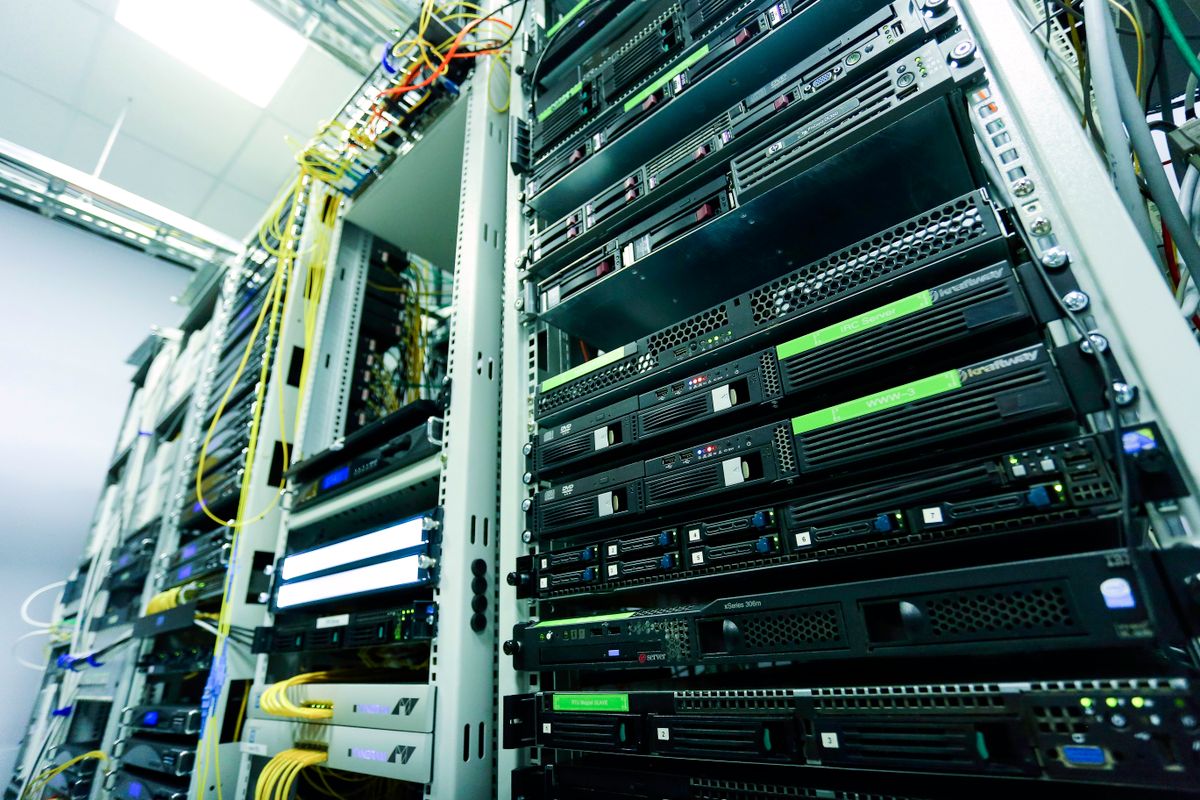
It helps telecom businesses organise customer support, service incidents, provisioning projects, equipment records and commercial workflows.
Fault ticketing and incident coordination are relevant IRON ITSM solution areas. Live network monitoring, fault detection and carrier integrations must be verified separately.
IRON PSA project workflows can be evaluated for provisioning tasks, engineer assignments, milestones and service handovers.
Hosted voice support, handset service records, provisioning enquiries and migration tasks are relevant telecom service workflows. Direct phone-system integrations are not claimed on this page.
Recurring and usage billing are relevant commercial solution areas. The calculator on this page is a browser-only example, not evidence of a production billing engine. CDR import and rating functions require confirmation.
Supplier reference records and linked service workflows can be evaluated during implementation. Automatic synchronisation with carriers requires a supported integration.
A customer portal is an appropriate service management use case. Branding, permissions, service visibility and available features should be reviewed.
Ticket classification, suggested responses and fault trend analysis are potential AI use cases. No particular telecom AI capability is claimed as currently enabled.
Use the Book a Demo link to discuss service management, telecom workflows and available IRON features with IRON IT Group.
Discover connected service management for telecom providers, broadband operators, hosted voice businesses and network service teams.